ABOUT
CONTACT US
COOKBOOK
NEWSLETTER
Instagram
YouTube
Search
Tag:
noodle
ladyandpups
FOLLOW US ON INSTAGRAM
(Scroll left). The first thing I did after coming
Oh my gosh, I can’t believe I’ll be heading to #ch
Restaurant menu consultancy is more stressful than
Did I mention I’ve acquired a new hobby lately? T
What I’ve been up to lately. Guess what it is lol
@bakehousehk egg tart with a huge dollop of homema
I just got news that we have sold out our #Chiangm
A big heartfelt thanks to all the people who had s
Follow on Instagram
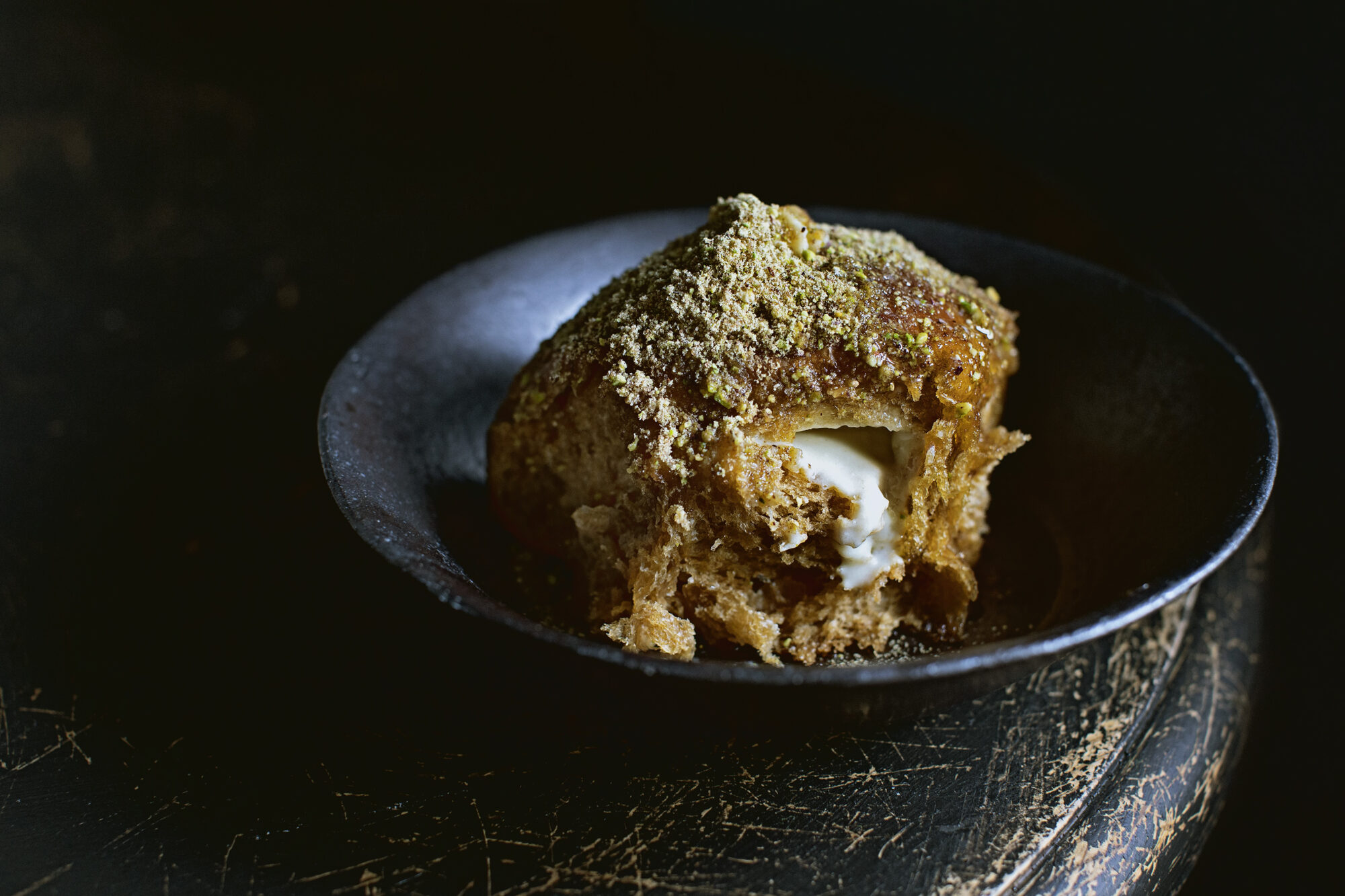
Kahlua buns stuffed w/ mascarpone cream and salted pistacchio powder
12.08.21
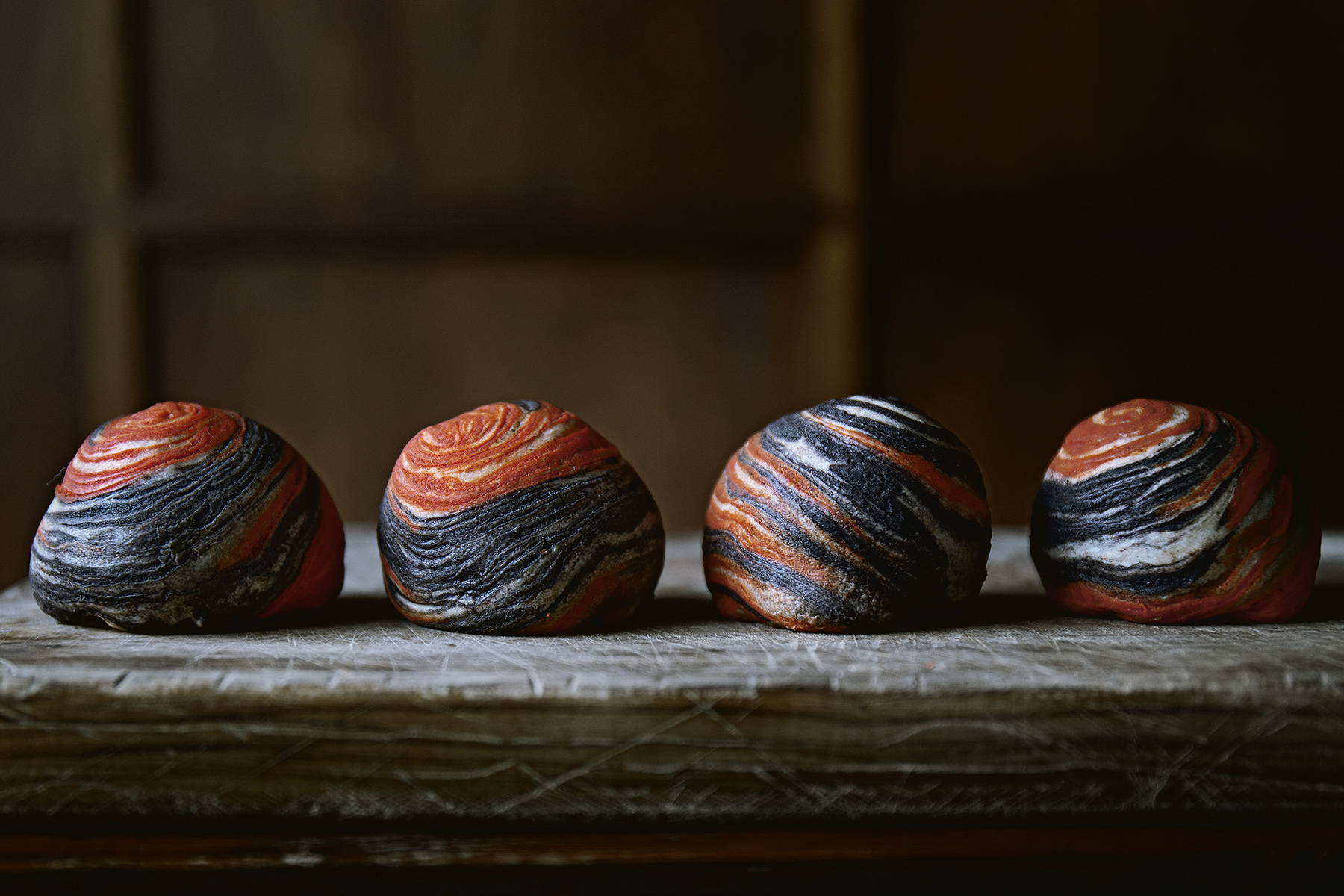
Halloween spiral pastry stuffed with pumpkin and cheddar
10.15.21
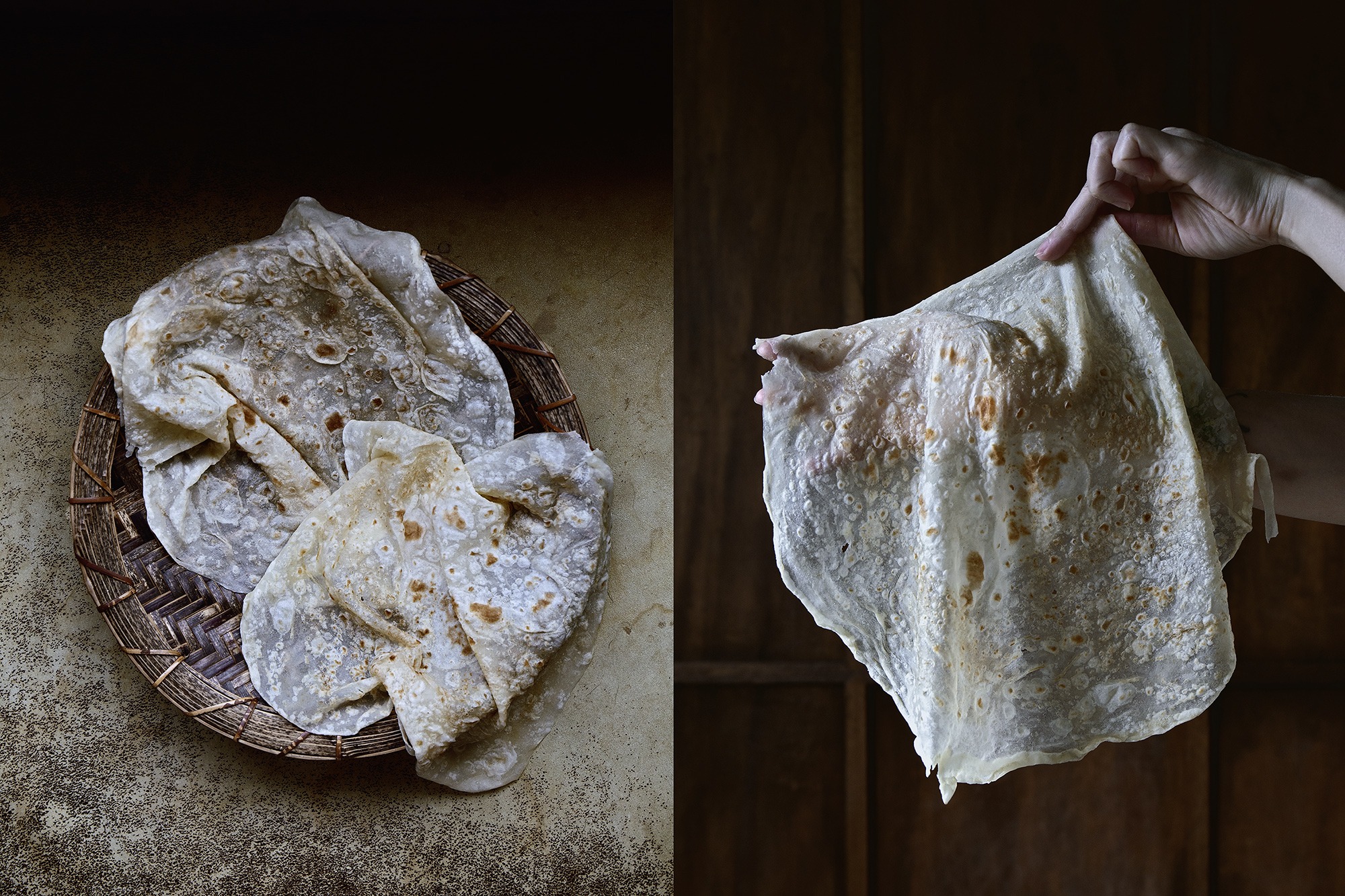
Paper thin soft chewy, Sonoran-style flour tortilla
05.13.21
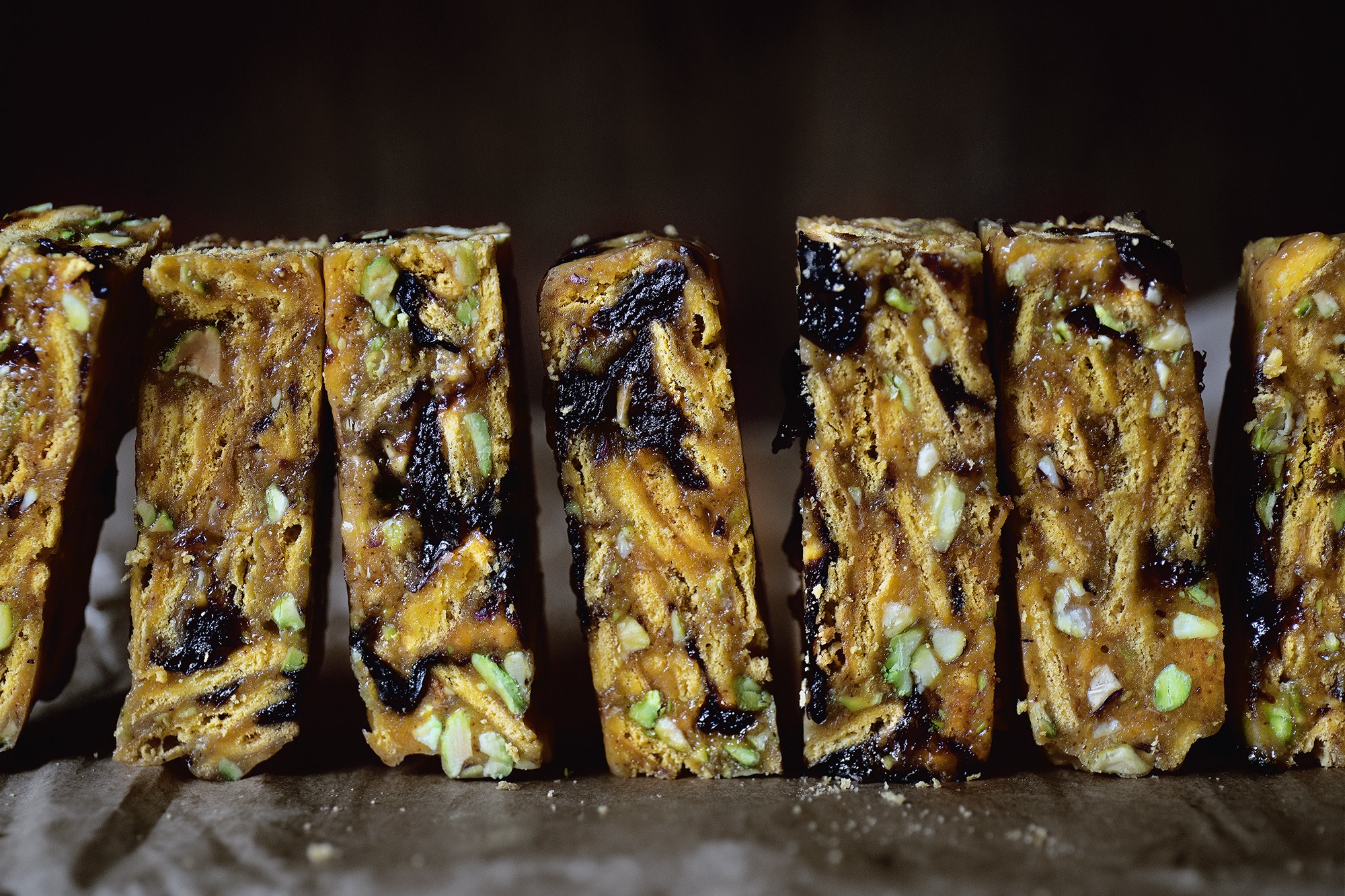
Chewy marshmallow nougat w/ cheese crackers and pistachio
03.15.21
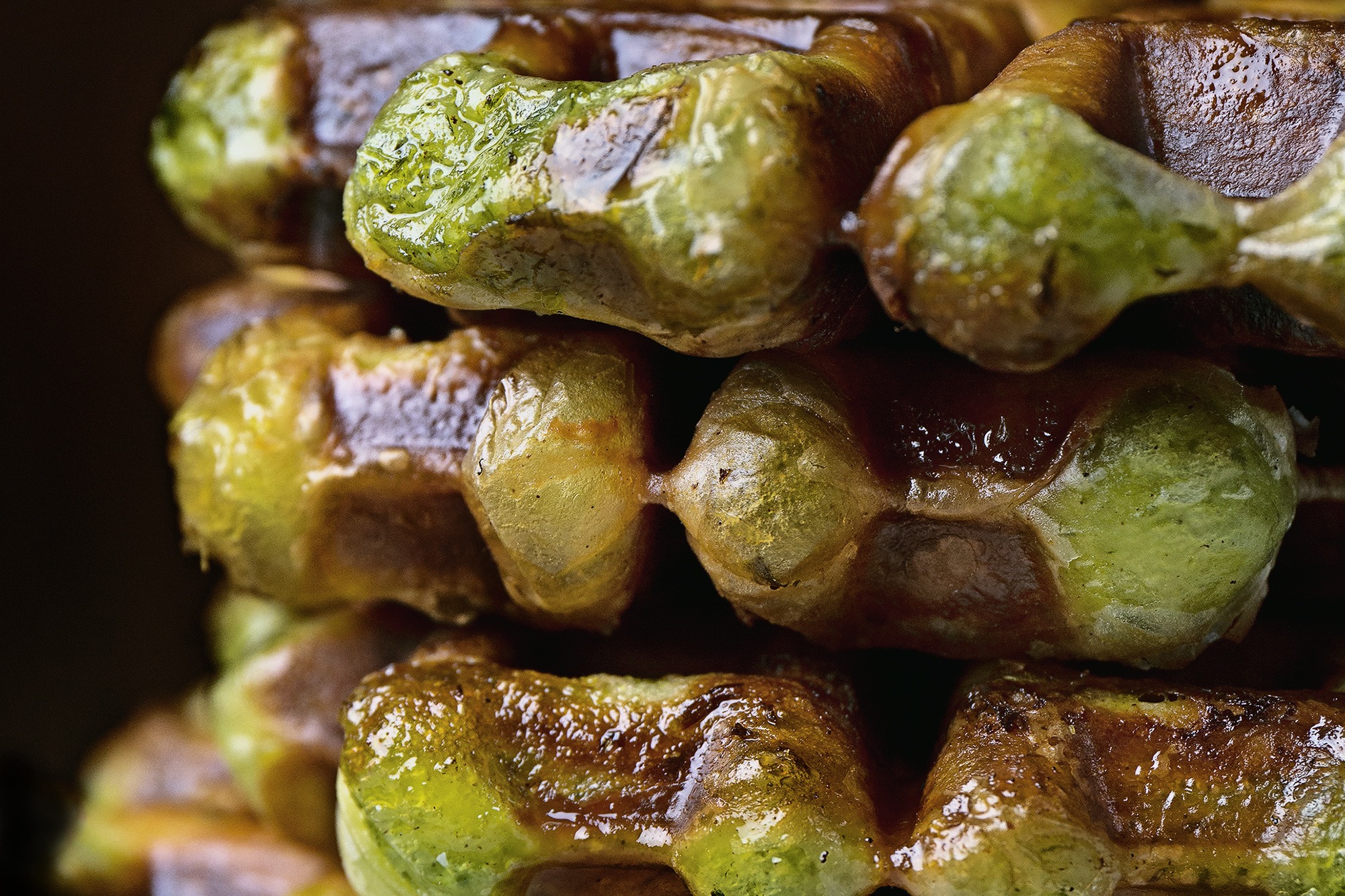
Layered scallion pancraffles
02.22.21
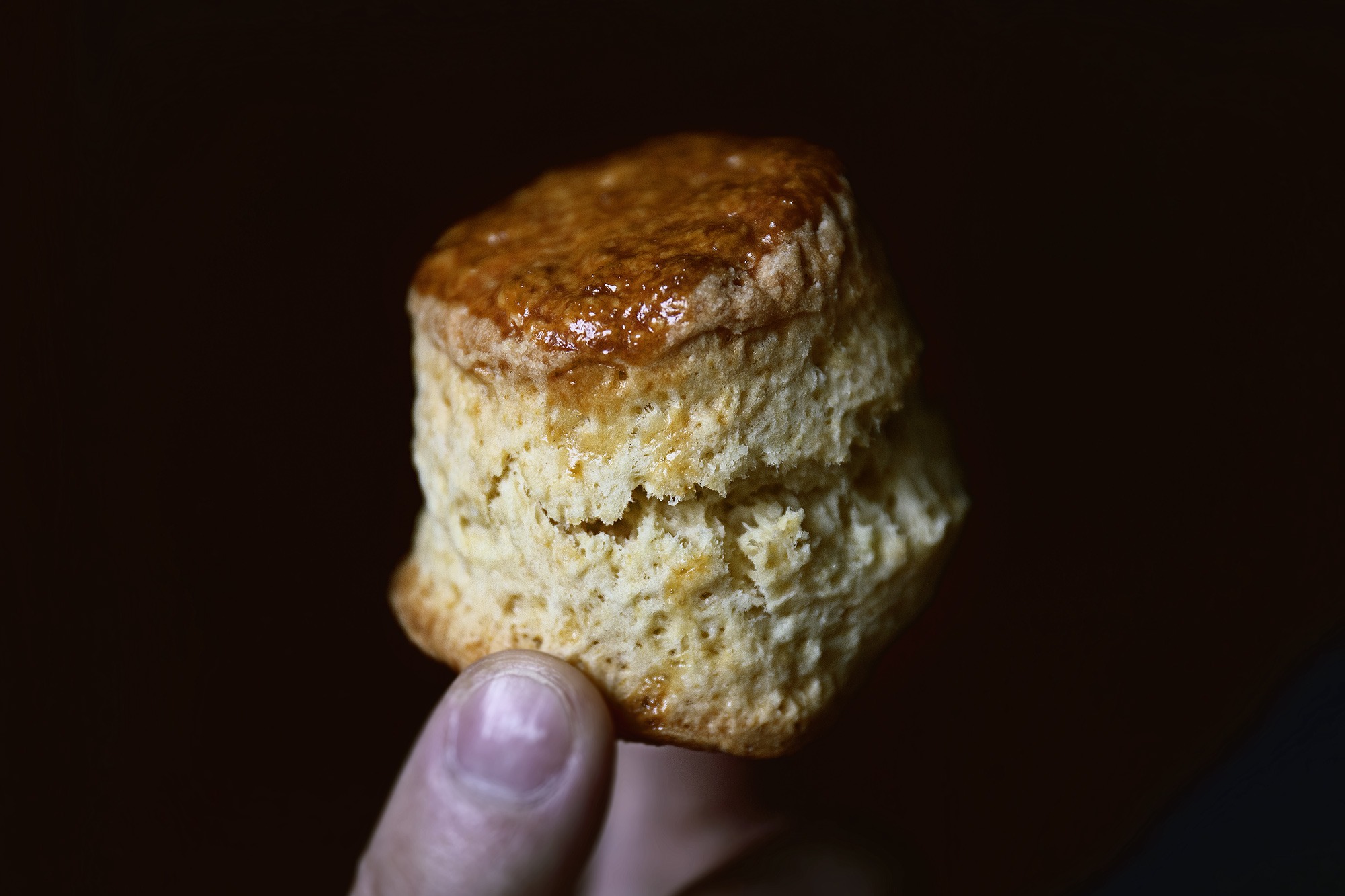
Your final guide to the perfect English tea scone – all common mistakes corrected
12.17.20
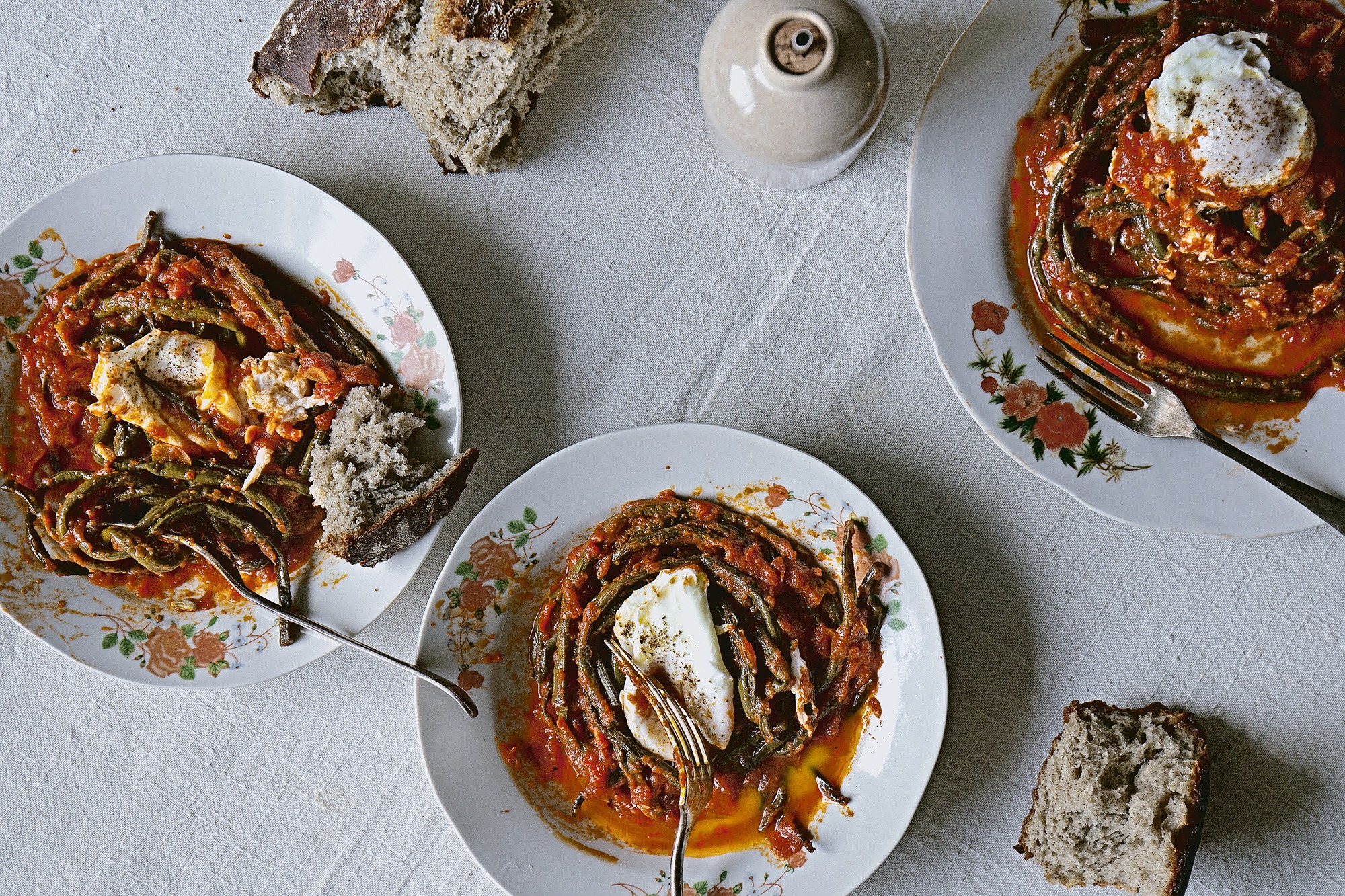
Long string beans stewed in Thai curry tomato sauce
12.04.20
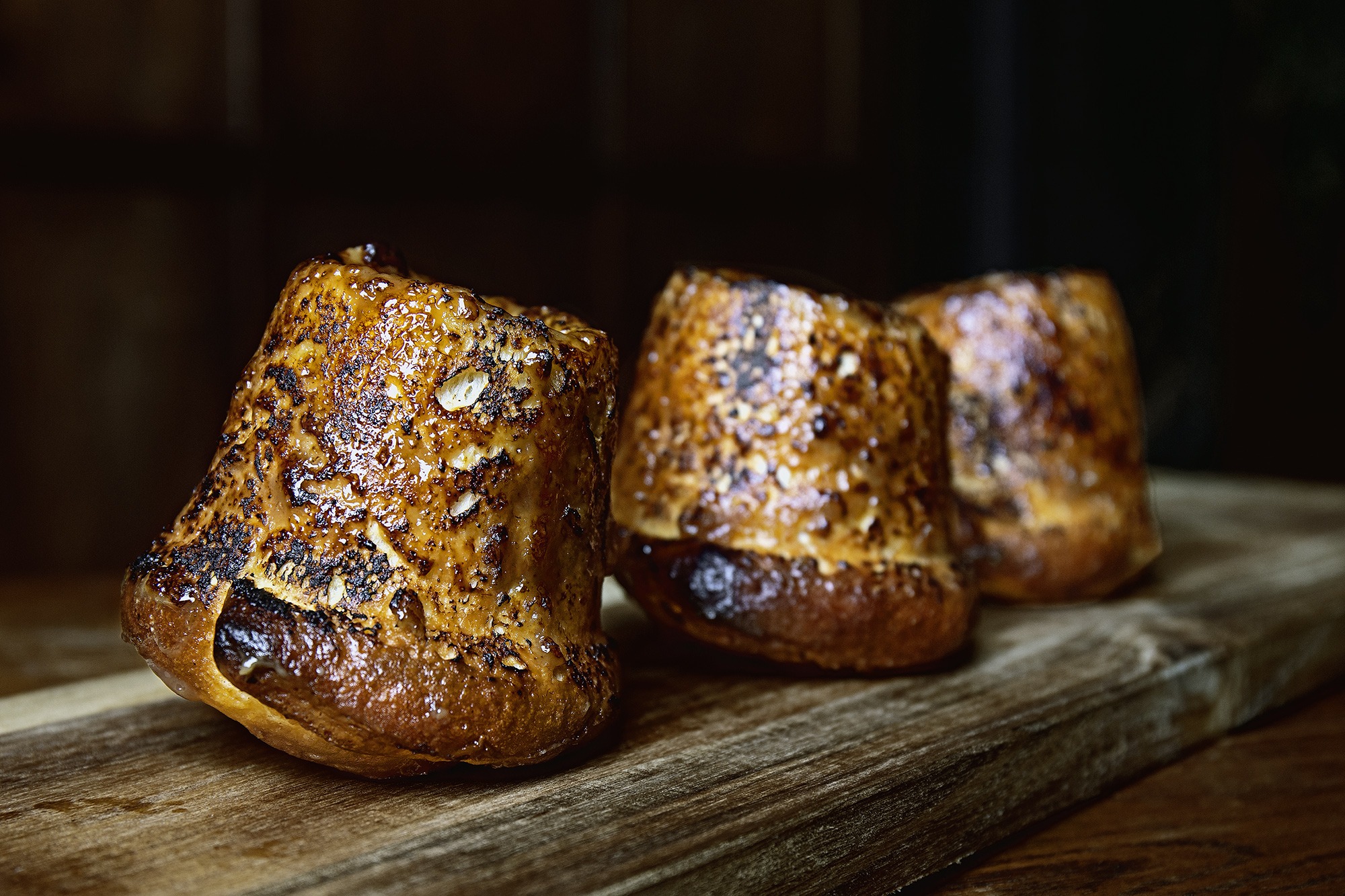
Brûlée Coconut, Palm Sugar, Pork floss sticky buns
10.14.20
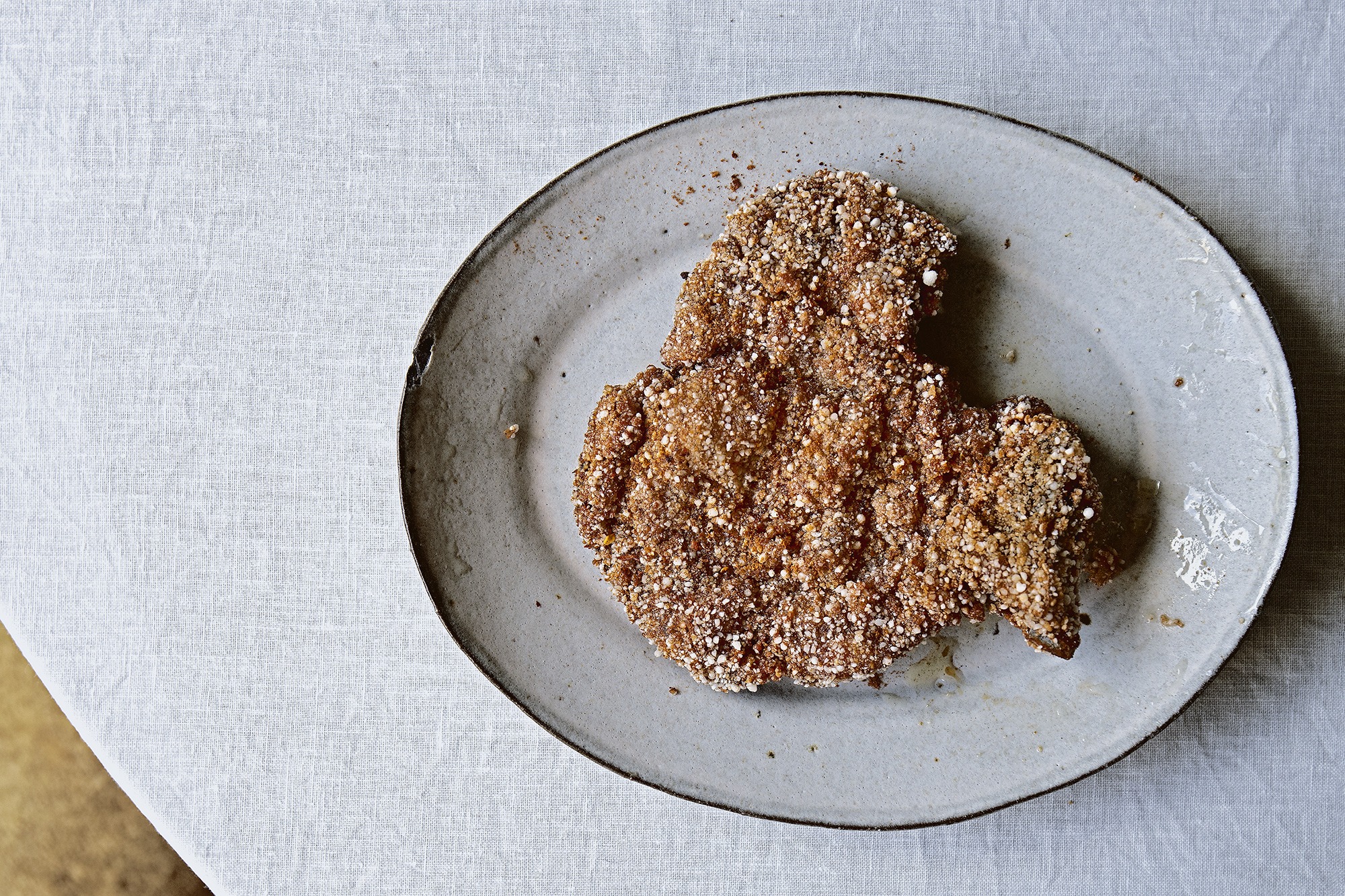
Crushed sago pearls is the next crust you need
10.06.20
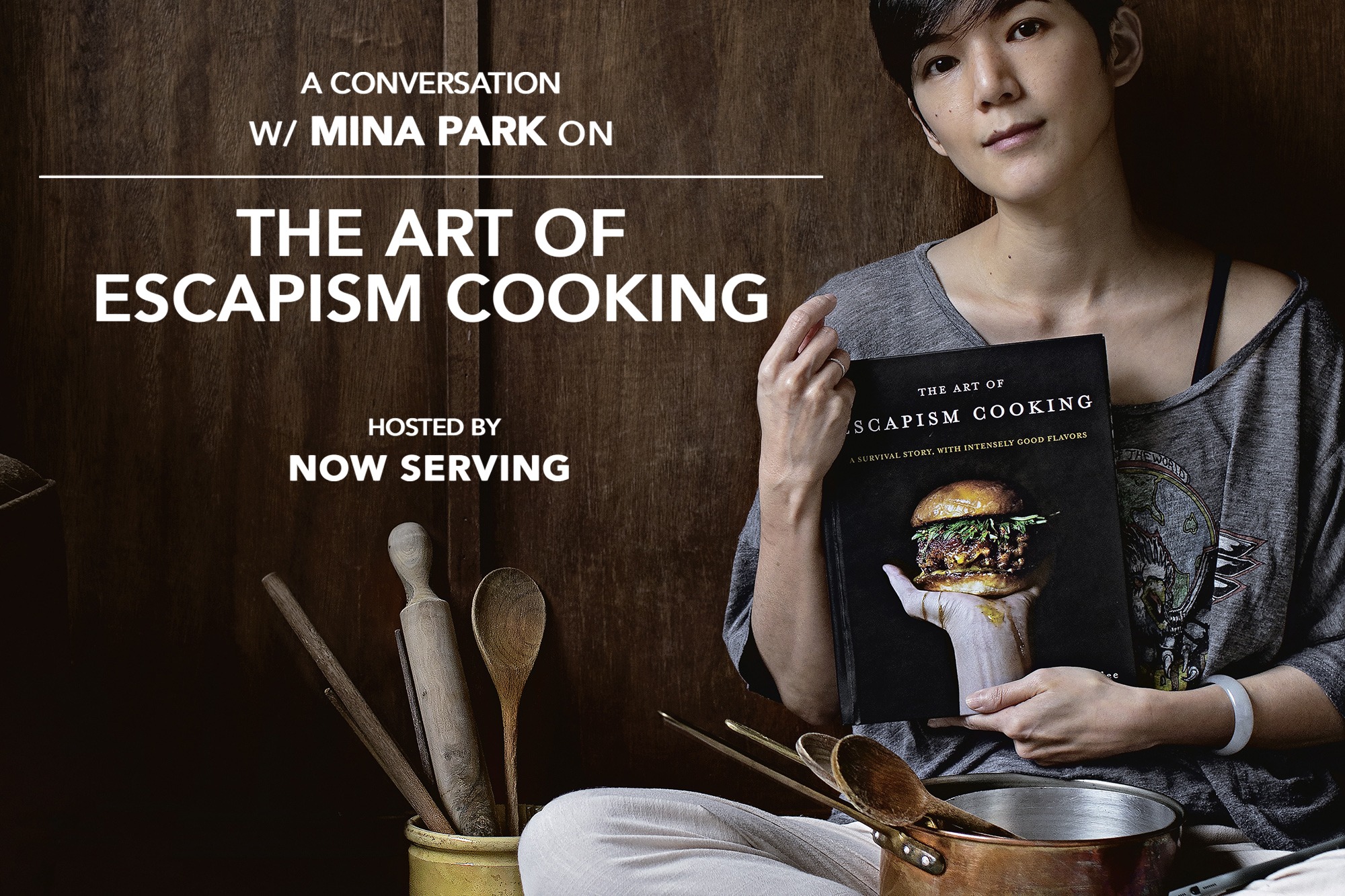
A conversation with Mina Park at Now Serving
09.30.20
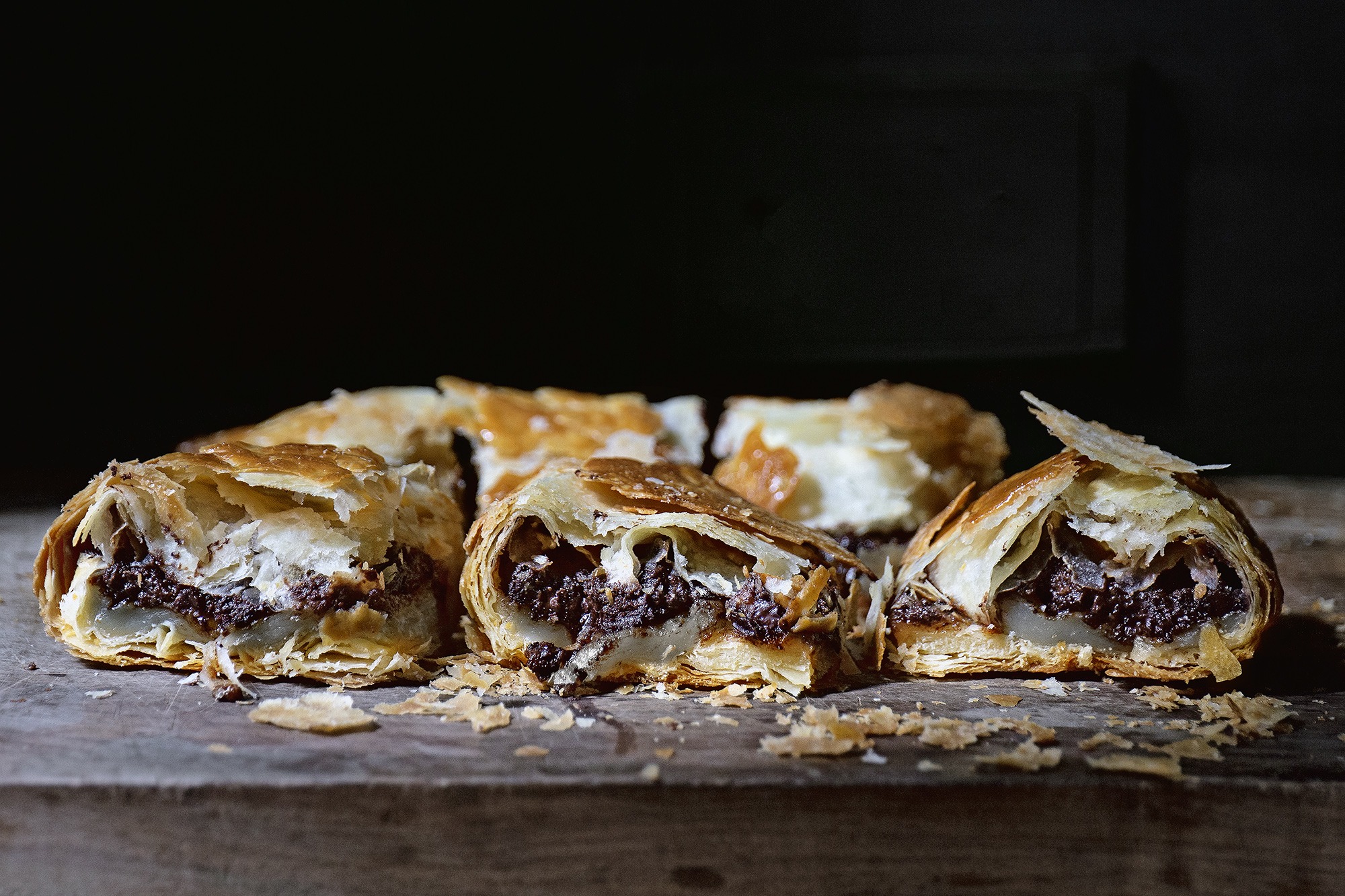
Failproof flakey pastry stuffed with mochi and chocolate
08.17.20
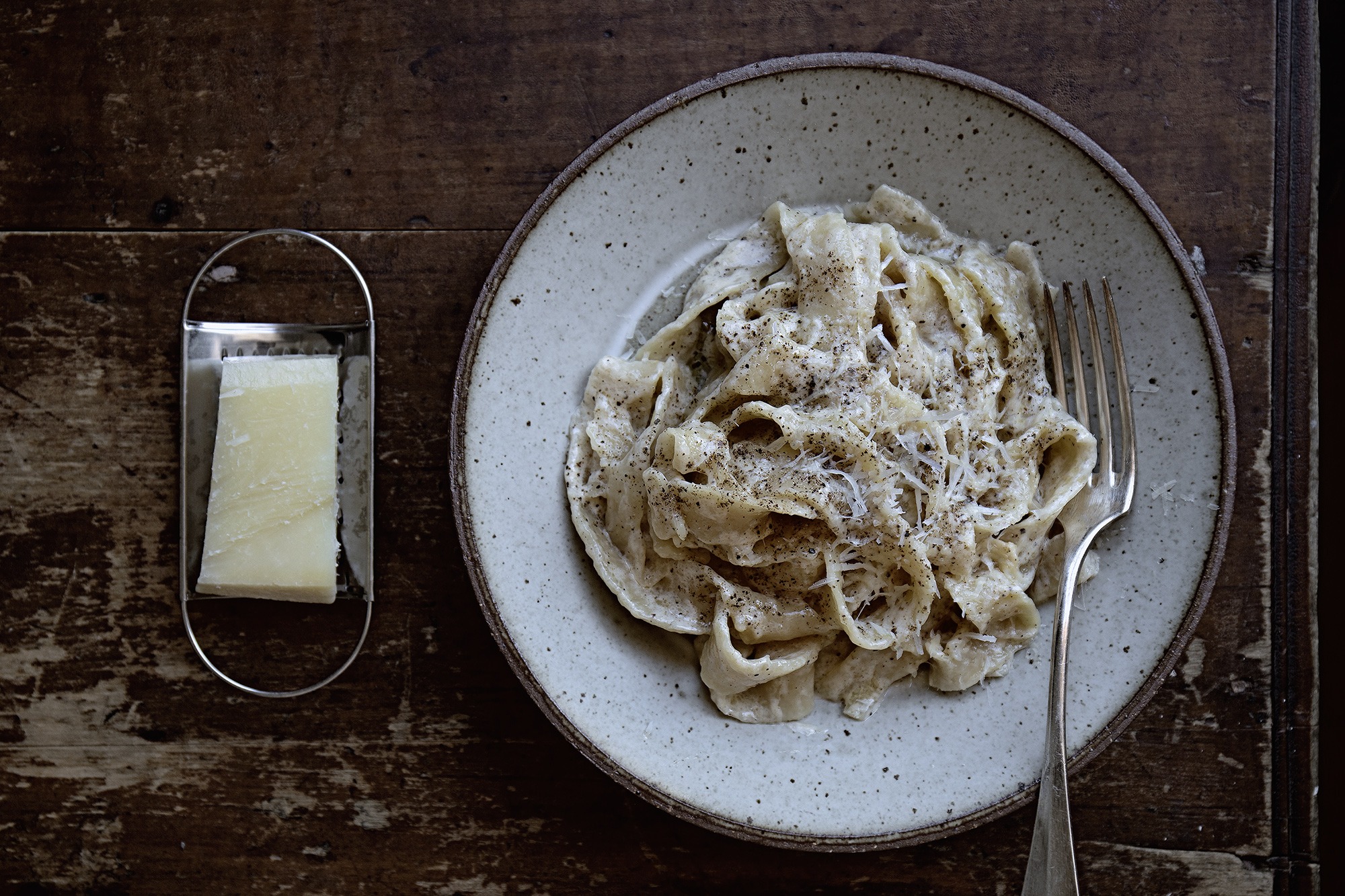
Gluten-free, low-carb, chewy all-purpose noodles made of chicken breast
07.24.20
1
2
3
…
45
Next Page
→
×