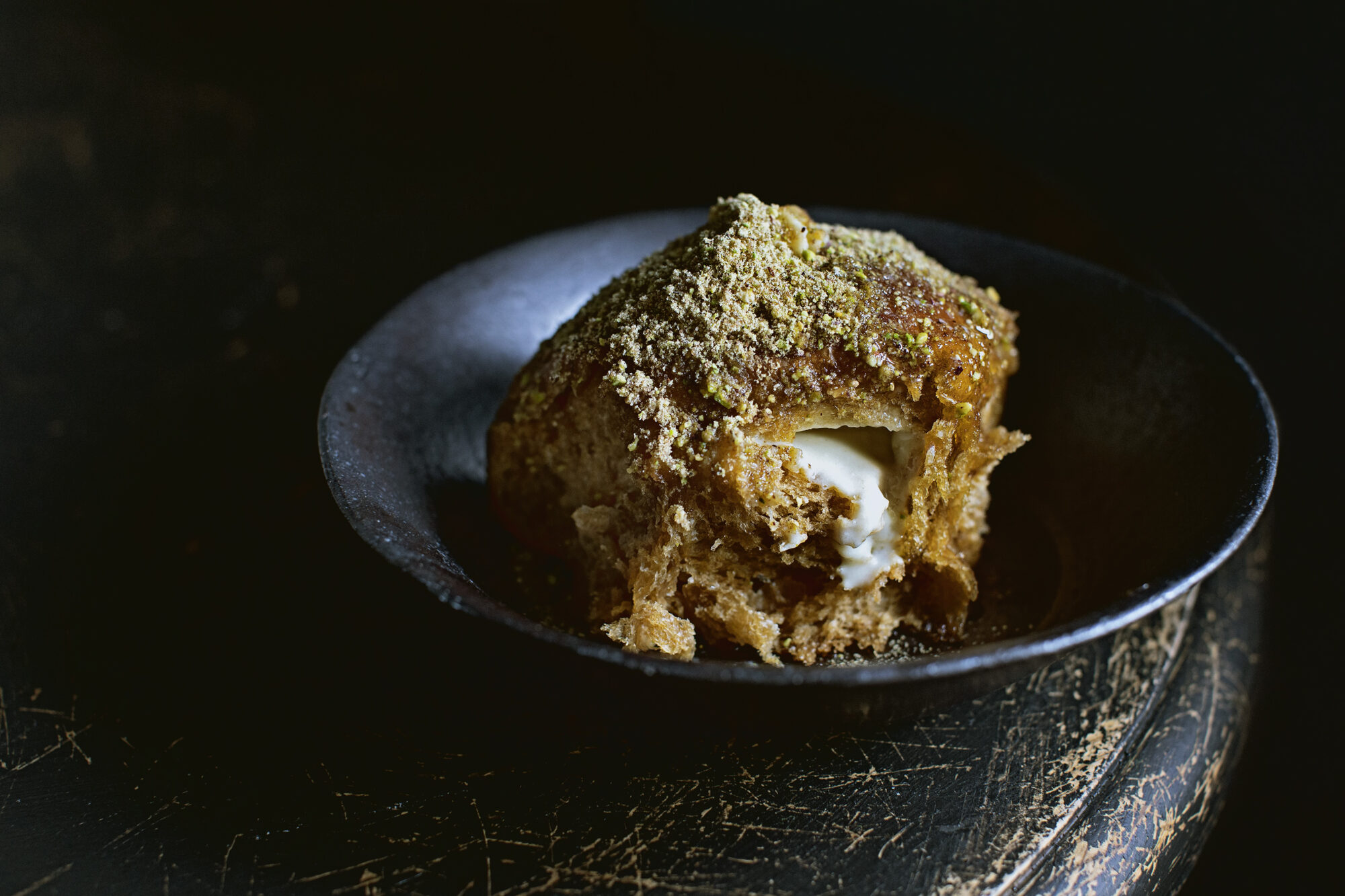
almond tofu x 2

I stare at the blinking cursor on my screen and completely blank out.  My mind is sucked dry from a trip to the veterinarian, and as my 13-year old Dumpling lays in the hospital with a tube down his throat and a three-day-hospital-stay ahead of him, the last thing I can gather my mind to gush about are these monotone desserts.  But let not the frosted land of sugary world be soiled by real-life shit that come our way, because it isn't the desserts' fault, no.  The  almond tofu is innocent, and we're going to talk about them even with my mind absent. What the hell is "almond tofu" it sounds relentlessly unappetizing.  Well, you'd be right if you are drawing references from the flavorless American lactose intolerant-aid almond milk, and not the worlds-away Chinese southern almond milk as I dedicated an entire post to.  This fragrant and flavorful extraction is the base for many desserts in Chinese cuisine among which the most popular form is almond tofu.  The name is extremely misleading as ingredient-wise and procedure-wise, it has NOTHING to do with tofu.  It usually appears in two variations and I'm going to feature both for thoroughness-sake.  But the value of this post

hot spring egg (revisited) soba

I just got home from a short family trip to the Izu Peninsula in Japan, where they proudly call the home of "onsen", means hot spring.  As usual at times like this, I will leave you with a swift post and a recipe that I have featured before but thought some of you may be interested in an easier technique. A hot spring egg is an egg that is cooked in a constant low temperature and when it's cracked open, the entire egg slides out as one medium-rare perfection.  In my previous post, I talked about how to do this by stationing by the stove and meticulously monitoring the water temperature.  Submerging the eggs in 158ºF/70ºC water for 21 minutes will give you the perfect result, which then I realized is a lot more work than what people are willing to invest in terms of cooking an egg. So here is an easier way

almond milk labratory

I recently got a little nut job on almond milk, ever since Food52 published an almond milk recipe that unleashed my inner obsession to answer the GREATEST mystery of mine.  The mystery being -why does the typical snacking almonds lack the perfume-y aroma in Asian almond milk or almond extract?  Perfume?  Almond?  YES!  Asian almond milk should be perfume-y and aromatic, NOT the bland milk-like substance America has come to know whose only worth is to be a secondary milk-substitute for the lactose-intolerants.  It has true and honorable culinary status here in Asia, valued for its distinct and elegant aroma which frankly mesmerized me since childhood. Turns out, my GREATEST mystery has been sun-bathing itself on the first link of the first page of Google search.  To put in blunt terms - Different almonds (duh

×