HOW TO EASILY SOUS-VIDE IN OVEN, WITH OR WITHOUT WATER

FOR THE PAST 35 YEARS OF SOLEMN HATRED FOR WHITE MEAT, OF CLAWING CHICKEN SAWDUSTS OUT OF MY THROAT, IT MEANS TO TELL ME THAT ALL ALONG, I COULD'VE BEEN EATING THIS SUCCULENCE?!! IS THIS A JOKE?!! [ezcol_1half] Let's face it, most of us never took the idea of "sous vide" seriously as a realistic potential in our home-kitchen, now did we? But now there are so many sous vide devices on the market today that it's hard to ignore the growing popularity of it. This French-sounding

PERFECTLY BAKED SAUNA EGGS

[ezcol_1third] SOMEWHERE IN BETWEEN 50~55 MINUTES, IS THE FIFTY SHADES OF YELLOW [/ezcol_1third] [ezcol_1third] OK, I admit.  For someone who has, more than once, cried sympathy for her egg-allergy, I spend an unnatural amount of time studying the perfect way to cook them.  Not just on my shortcut - 15 seconds to be exact - to creamy and velvety scrambled eggs, but there are up to this point

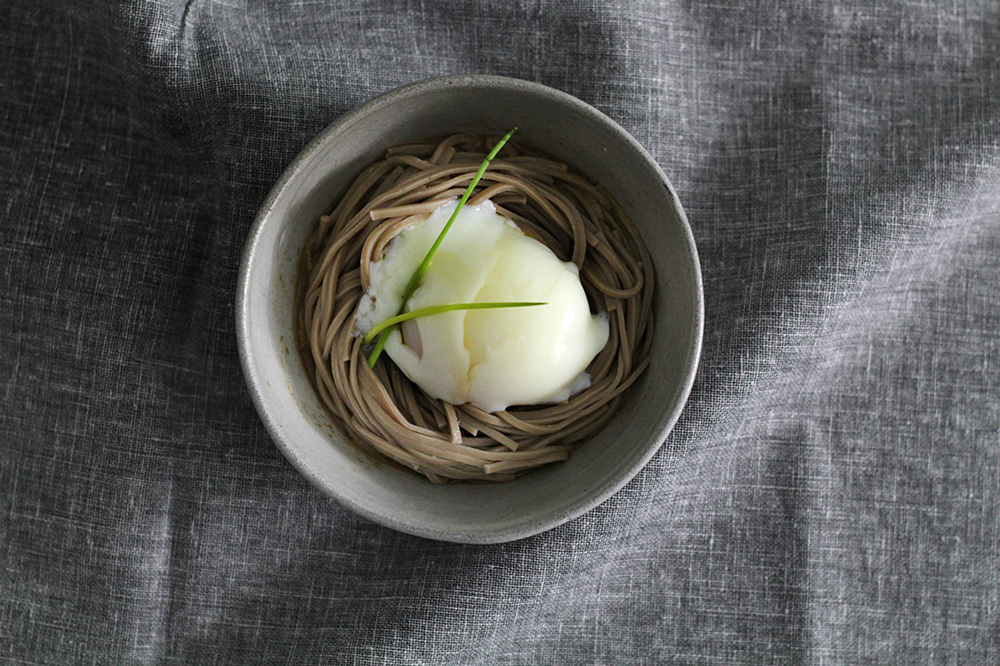
hot spring egg (revisited) soba

I just got home from a short family trip to the Izu Peninsula in Japan, where they proudly call the home of "onsen", means hot spring.  As usual at times like this, I will leave you with a swift post and a recipe that I have featured before but thought some of you may be interested in an easier technique. A hot spring egg is an egg that is cooked in a constant low temperature and when it's cracked open, the entire egg slides out as one medium-rare perfection.  In my previous post, I talked about how to do this by stationing by the stove and meticulously monitoring the water temperature.  Submerging the eggs in 158ºF/70ºC water for 21 minutes will give you the perfect result, which then I realized is a lot more work than what people are willing to invest in terms of cooking an egg. So here is an easier way

×